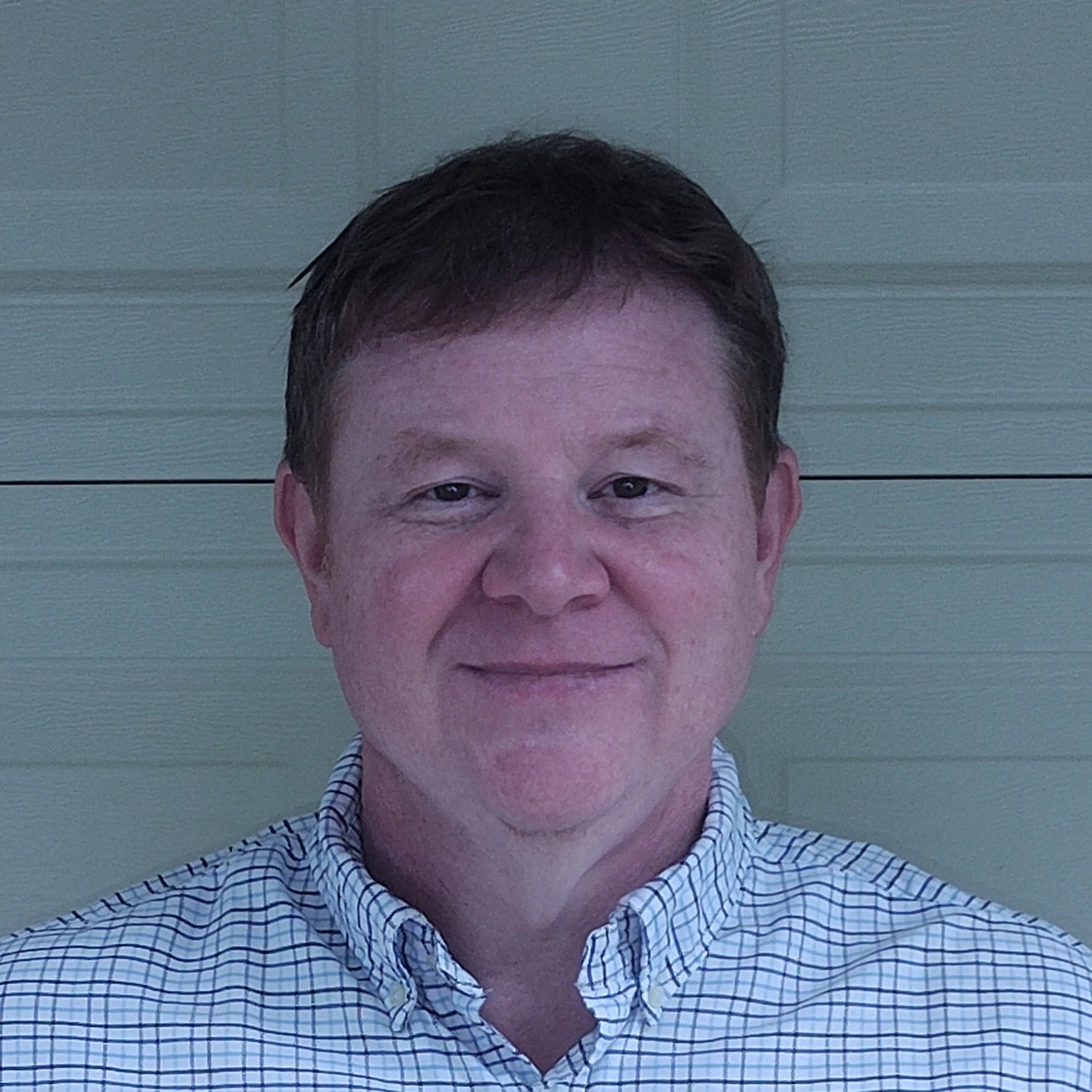
Editor at sweeptastic
Published on 17 Nov 2026
3 min read

A proposal to ban online sweepstakes casinos in Washington, D.C. is headed for a markup and vote on November 18, 2026. The Internet Gaming and Consumer Protection Act of 2026 (Council Bill 26-0656) proposes legalizing online casinos in the District of Columbia while also banning dual-currency online sweepstakes casino sites.
The D.C. Committee on Human Services will create a final version of the bill on November 18, a critical step before it goes to the full D.C. Council at the last Legislative Meeting of the year on December 15, 2026.
On April 9, 2026, D.C. Councilmember Wendell Felder introduced the Internet Gaming and Consumer Protection Act. The bill proposed legalizing and regulating iGaming in Washington, D.C., while imposing tough penalties on unlicensed online gambling.
Wendell Felder argued for the ban, stating that D.C. residents wagered $700 million in 2024 at unlicensed offshore gambling sites. Regulating and licensing online gambling would let the Council collect tax revenue, while taking action against top operators would push players to licensed sites.
The bill would give the D.C. Office of Lottery and Gaming (OLG) the authority to issue cease-and-desist letters to unlicensed sweepstakes casino sites. The Washington, D.C. Attorney General would be authorized to seek restitution for players who lost money on such sites.
Online sweepstakes casino operators that violate the ban would face a $100,000 fine. Repeat offenders could face a fine of up to $500,000.
Unlike similar bans passed in California, New York, and Louisiana, the bill only targets the operators of dual-currency sweepstakes casino gaming. Payment processors, geolocation services, game providers, affiliates, and influencers are not a part of the legislation.
On May 4, 2026, the D.C. Committee on Human Services, which oversees social services and the Office of Lottery and Gaming in the nation’s capital, held a 4-hour public hearing on Councilmember Felder’s proposal. Industry experts testified, while Felder discussed the effects on the local community.
All five voting members of the Council on Human Services — Chairperson Matthew Frumin, Christina Henderson, Zachary Parker, Robert C. White, Jr., and Wendell Felder — attended the hearing. Despite that, the hearing ended without three of the five members voting to formally move the bill to the full council.
The November 18 council meeting continues that process. In the D.C. legislative process, a markup is a formal working session in which a committee debates and amends the bill’s final version.
They go line by line and discuss amendments, such as changing the tax rate, the amount of fines, or particular regulations imposed by the bill. Once the council has a final text, they vote to move the bill to the full D.C. Council.
Permanent bills must pass two readings on the floor of the D.C. Council before December 15. If that happens, the final bill receives a vote. If it does not, then the bill must be introduced in committee in the 2027 legislative session.
The legislative session officially ends on January 2, 2027.